
Staying Safe on the Road: Simple Habits That Can Save Your Life
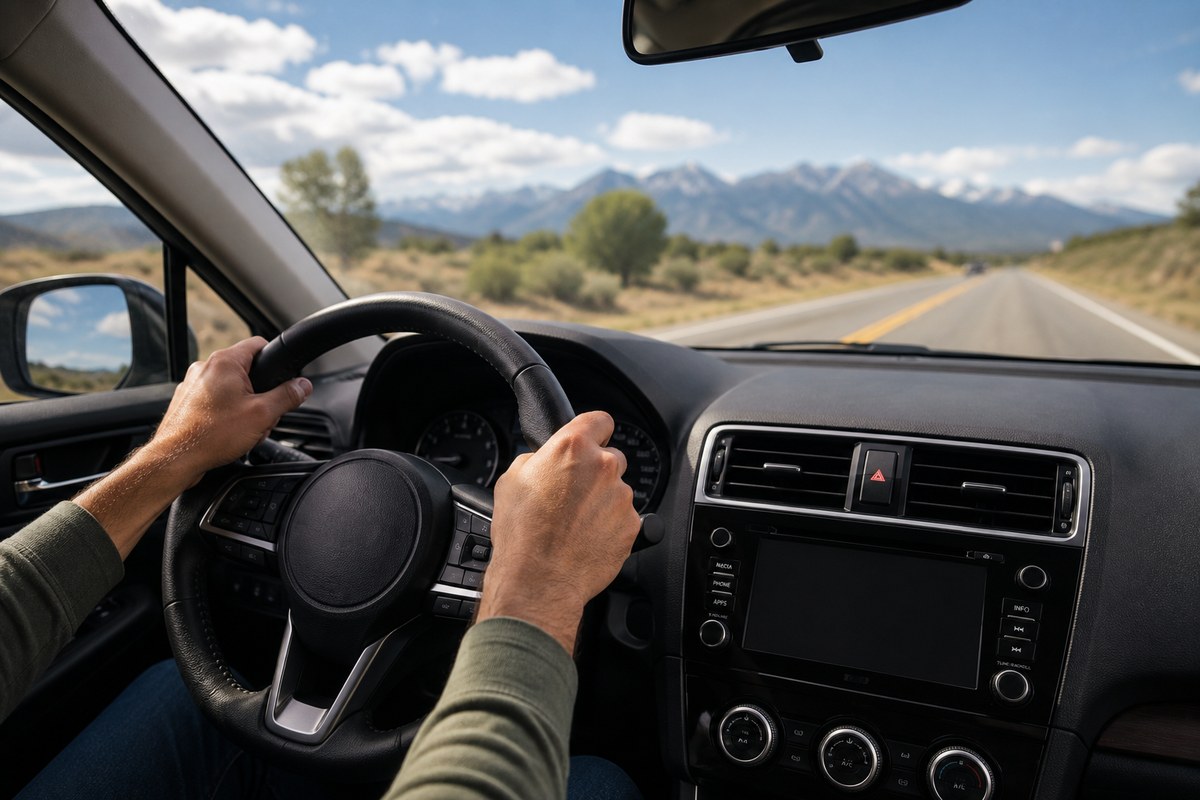
Car accidents rarely feel preventable in the moment they happen. But after helping people compare coverage for years, we've noticed the same handful of small, unglamorous habits show up again and again among drivers who go years — sometimes decades — without a serious claim. None of them are secret. They're just easy to skip when you're in a hurry.
Give Yourself More Following Distance Than Feels Necessary
The three-second rule is a good starting point, but it assumes ideal conditions. Rain, poor visibility, an unfamiliar road, or a car in front of you that's towing something all call for more space, not less. Most rear-end collisions come down to one driver simply not having enough room to react. Extra following distance is one of the only safety habits that costs you nothing and works every single time.
Treat Your Phone Like It's Not in the Car
You already know not to text and drive. The less obvious risk is the phone sitting face-up in the cupholder, lighting up with notifications you glance at "just for a second." A quick glance at 45 mph covers more ground than most people realize — often the length of a football field before your eyes are back on the road. If you need directions, set them before you leave the driveway, and consider silencing notifications or using a do-not-disturb driving mode.
Get Comfortable Adjusting for Weather, Not Just Reacting to It
A lot of drivers only start being cautious once the rain has already started or the roads have already iced over. By then, other drivers around you are adjusting too, which creates unpredictable braking and lane changes. Slowing down before conditions get bad — and giving yourself extra time to reach your destination — takes you out of the most chaotic window of a weather event.
Don't Skip the Mirror and Mirror-Blind-Spot Habit
Mirrors alone don't cover the full blind spot on most vehicles. A quick shoulder check before changing lanes takes less than a second and catches the motorcycles, small cars, and cyclists that mirrors miss. This is one of those habits that feels like overkill for years, right up until the one time it isn't.
Keep Your Vehicle's Basics in Check
Worn tires, low tread depth, and brakes that are overdue for inspection quietly raise your accident risk in exactly the moments you need your car to perform — sudden stops, wet roads, sharp turns. A simple seasonal check (tire pressure and tread, brake responsiveness, wiper blades, headlights) is a low-effort habit that pays off when conditions turn unpredictable.
Plan for Fatigue Like You Plan for Weather
Drowsy driving doesn't always look like nodding off at the wheel. More often, it looks like slightly delayed reactions, missed exits, or drifting within your lane. If you're driving after a long day, at a time you'd normally be asleep, or on a long stretch of highway, treat fatigue as seriously as you'd treat a storm — pull over, switch drivers, or take a real break instead of pushing through.
Small Habits, Real Impact
None of this is about driving scared. It's about a handful of small adjustments that quietly stack the odds in your favor — the same way carrying a spare tire or knowing where your insurance card is doesn't mean you expect a flat, it just means you're ready either way.
Speaking of being ready: if it's been a while since you've compared your auto insurance rate, it only takes a couple of minutes to see what else is out there.