
Tips for Insuring Different Types of Vehicles: One Size Doesn't Fit All
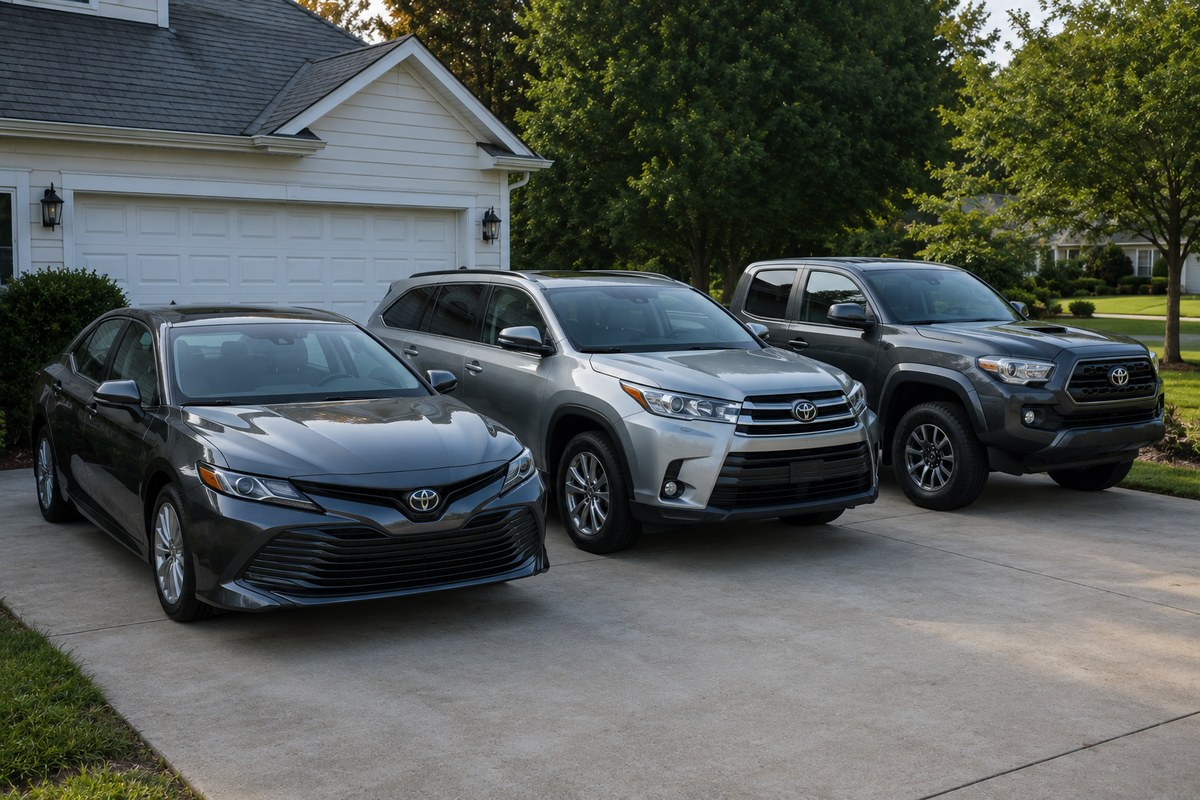
Here's something the insurance industry doesn't always volunteer up front: a policy that makes sense for one vehicle can be the wrong fit entirely for another. A ten-year-old commuter sedan, a brand-new EV, and a truck used for towing don't just have different price tags — they carry genuinely different risk profiles, and that affects what coverage actually makes sense.
Older, Paid-Off Vehicles
Once a car is paid off and its market value has dropped significantly, it's worth periodically asking whether full coverage still makes sense. Comprehensive and collision coverage reimburse you up to your car's actual cash value — so if that value has fallen well below what you'd pay in premiums and deductibles over a few years, liability-only coverage (where your state allows it) may be the more rational choice. This isn't true for every older car, especially if you couldn't afford to replace it out of pocket, but it's a calculation worth actually running rather than assuming.
Newer Vehicles and EVs
Newer vehicles — especially electric vehicles — often cost meaningfully more to insure than their gas-powered equivalents, mainly because parts and specialized repairs (particularly battery and sensor-related work) cost more and require specialized shops. Some insurers offer EV-specific endorsements or discounts, so it's worth asking directly rather than assuming a quote already accounts for your vehicle type correctly.
Trucks Used for Towing or Work
If a truck or SUV is regularly used for towing, hauling equipment, or anything resembling business use — even occasionally — a personal auto policy may not fully cover an incident that happens while towing a trailer or transporting tools for a side job. This is one of the more commonly overlooked gaps: people assume "personal use" coverage extends to occasional work use, and it often doesn't without an added endorsement.
Leased Vehicles
If you lease rather than own, your leasing company almost certainly requires higher liability limits and full coverage than the state minimum, and may require gap insurance specifically. Gap insurance covers the difference between what your car is worth and what you still owe if it's totaled — a real risk in the first couple of years of a lease when depreciation outpaces what you've paid down.
Multiple Vehicles, Multiple Drivers
Households with more than one car — especially with a mix of drivers, like a teen driver added to a parent's policy — often qualify for multi-vehicle discounts that aren't automatically applied. It's also worth checking that each vehicle is actually assigned to the driver who uses it most; insurers price based on the primary driver of each car, and getting this wrong can either overcharge you or create a coverage mismatch.
The Common Thread
Insurance pricing assumes a "typical" version of your situation unless you tell it otherwise. A car used only for weekend errands, a truck used for weekday work, and a teenager's first car all look different to an insurer — but only if that information actually makes it into your policy. Comparing your current coverage against what's actually available for your specific vehicle and how you use it is one of the few places where a few minutes of effort can directly translate into either real savings or closing a gap you didn't know existed.